Microbiome Science: The Hidden Engine of Human Health
I. The Biological Frontier
While we often think of ourselves as singular organisms, we are actually holobionts—an assembly of a host and trillions of microorganisms. The human microbiome consists of bacteria, archaea, fungi, and viruses that have co-evolved with us for millennia.
The highest concentration resides in the distal gut (large intestine), where they perform tasks the human body cannot do alone, such as breaking down complex carbohydrates and synthesizing essential vitamins like B12 and K.
II. The Gut-Brain Axis: A Chemical Superhighway
One of the most fascinating "connections" in modern science is the Gut-Brain Axis. Your microbes produce over 90% of your body's serotonin and 50% of its dopamine.
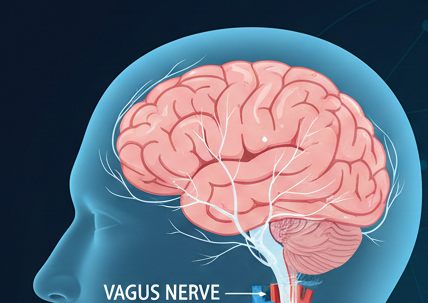
This connection isn't just chemical; it's physical. The Vagus Nerve acts as a bidirectional communication line. When your microbiome is in "dysbiosis" (imbalance), it sends signals that can trigger:
Neuroinflammation: Linked to brain fog and cognitive decline.
Cortisol Spikes: Directly influencing your stress response and anxiety levels.
III. The AI Connection: Mapping Trillions of Data Points
As we discussed in our recent feature on The Future of Artificial Intelligence, the sheer volume of data in a single person's microbiome is astronomical.
There are more genes in your microbiome than in your own human genome. To map these, scientists use Metagenomic Sequencing—a process that would take decades without AI. Neural Networks are now used to:
Predict Disease: Identifying patterns in stool samples that signal early-stage Colon Cancer or Parkinson’s.
Personalized Nutrition: AI algorithms can now predict how your specific microbes will respond to a piece of sourdough bread versus a bowl of white rice.
IV. The Future: Microbial Engineering
We are moving from "observing" to "editing". The next decade of Health & Wellness will focus on:
Next-Gen Probiotics: Genetically modified bacteria designed to deliver specific medicine directly to the gut lining.
Fecal Microbiota Transplants (FMT): Using the "ecology" of a healthy donor to "reset" the system of a patient with chronic illness.
V. Key Takeaways
Fiber is Fuel: Prebiotics (found in leeks, onions, and asparagus) are the "food" your microbes need to survive.
Diversity is Resilience: A diet with 30+ different types of plants per week is the gold standard for microbial health.
The Antibiotic Tax: One course of antibiotics can disrupt your microbial ecosystem for up to six months.